









Starting a gratitude journal is a powerful way to cultivate positivity and enhance your overall well-being. By taking just a few minutes each day to reflect on what you’re thankful for, you can shift your mindset and create a habit that supports mental and emotional health. If you’re new to gratitude journaling or unsure where to begin, this guide will walk you through easy steps to get started and stay consistent.
What Is a Gratitude Journal?
A gratitude journal is a personal notebook or digital document where you regularly write down things you appreciate in your life. These can be big or small—from a loving family and good health to a sunny day or your favorite cup of coffee. The goal is to focus on positive aspects of your experiences and acknowledge the good around you.
Why Keep a Gratitude Journal?
Research suggests that practicing gratitude can lead to:
– Increased happiness and life satisfaction
– Reduced stress and negative emotions
– Better sleep and improved physical health
– Stronger relationships and greater empathy
By making gratitude a regular habit, you create a mental space that highlights the positive instead of dwelling on challenges.
How to Start Your Gratitude Journal
1. Choose Your Journal Format
Decide if you want a physical notebook or a digital tool. Some people prefer the tactile experience of writing by hand, which can feel more personal. Others like the convenience of apps or documents that sync across devices.
Popular options include:
– A simple lined notebook
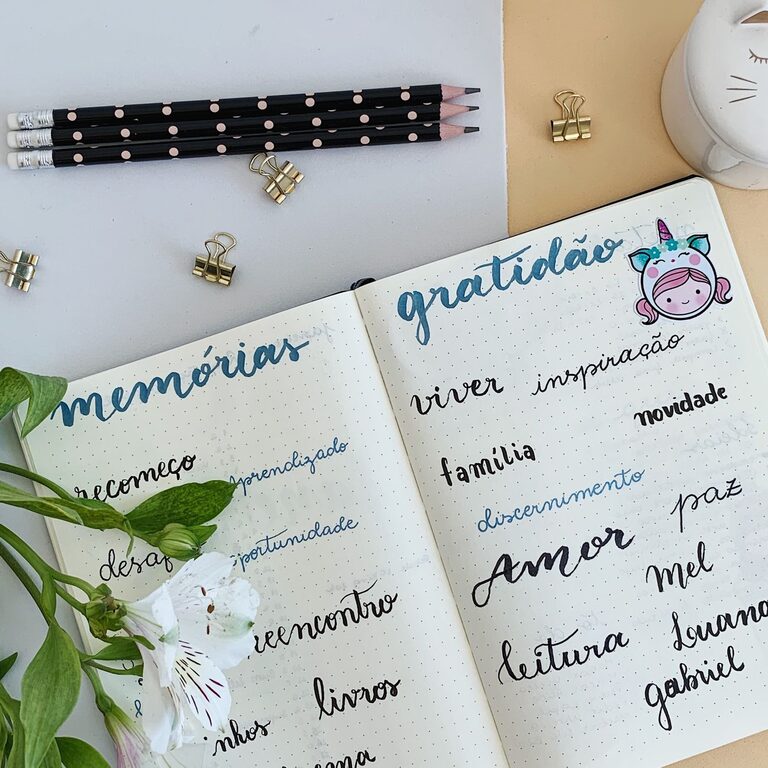
– A guided gratitude journal with prompts
– Apps like Day One, Gratitude Journal, or Evernote
2. Pick a Time to Write Daily
Consistency matters. Set aside a specific time each day to write—this could be in the morning to set a positive tone for the day or in the evening to reflect on the day’s good moments.
Try to commit at least 5 minutes, but feel free to write longer if inspired.
3. Start with 3 to 5 Things
Begin by listing three to five things you’re grateful for. These can be specific events (“Had a great chat with a friend”) or general things (“Grateful for my health”). Be as specific as you can—it helps make the feeling more vivid.
4. Use Prompts When Stuck
Some days it can be hard to think of things to write. Using prompts can help guide your thoughts, such as:
– What made you smile today?
– Who are you thankful for and why?
– What is something you often take for granted?
– What’s a recent challenge that taught you something?
5. Add Details and Feelings
Instead of just listing items, describe why you’re grateful for them and how they made you feel. This deepens your reflection and reinforces positive emotions.
For example:
“Grateful for my morning walk because it cleared my mind and made me feel energized.”
6. Review Your Entries Regularly
Every few weeks, take time to go back and read previous journal entries. This can remind you of positive experiences you might have forgotten and motivate you to keep going.
Tips to Keep Your Gratitude Journal Going
– Keep it accessible: Place your journal somewhere you’ll see it daily.
– Be honest: Only write what genuinely feels meaningful to you.
– Mix it up: Occasionally include drawings, photos, or quotes that inspire gratitude.
– Avoid pressure: Miss a day? Don’t stress—just pick it up again the next day.
– Share: If comfortable, share your gratitude with friends or family to spread positivity.
Gratitude Journal Ideas and Variations
If you want to get creative, here are a few ideas to personalize your journal:
– Themed gratitude: Focus on one topic each week, like nature, relationships, or personal strengths.
– Gratitude letters: Write letters you don’t have to send, expressing thanks to people who have impacted your life.
– Gratitude jar: Write notes on slips of paper and collect them in a jar to read later.
– Photo gratitude journal: Combine photos with written reflections.
Final Thoughts
Starting a gratitude journal doesn’t require special skills or lots of time. With simple tools and a willingness to reflect daily, you can nurture a habit that improves your mood, perspective, and overall happiness. Remember, it’s not about perfection but about cultivating appreciation for life’s little blessings.
Give it a try and watch how your outlook changes one journal entry at a time!